
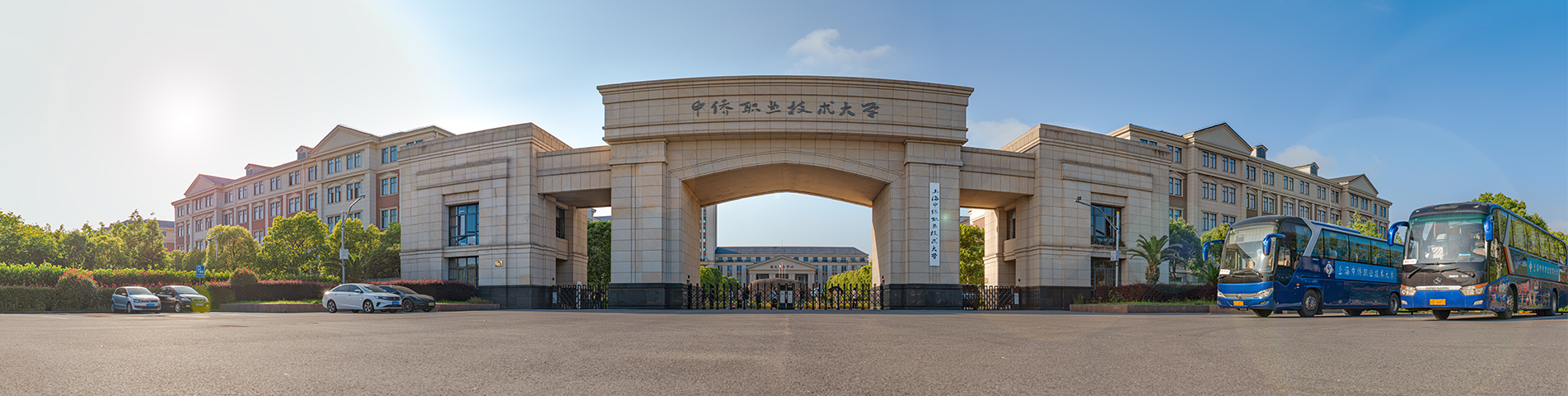
To explore innovative models for the international cultivation of applied talents, Shanghai Zhongqiao Vocational and Technical University (SHZQU) officially launched the 2025 DHBW Sino-German International Program in early October. Spanning three months, the program was designed around real-world professional contexts and concluded successfully on December 18.
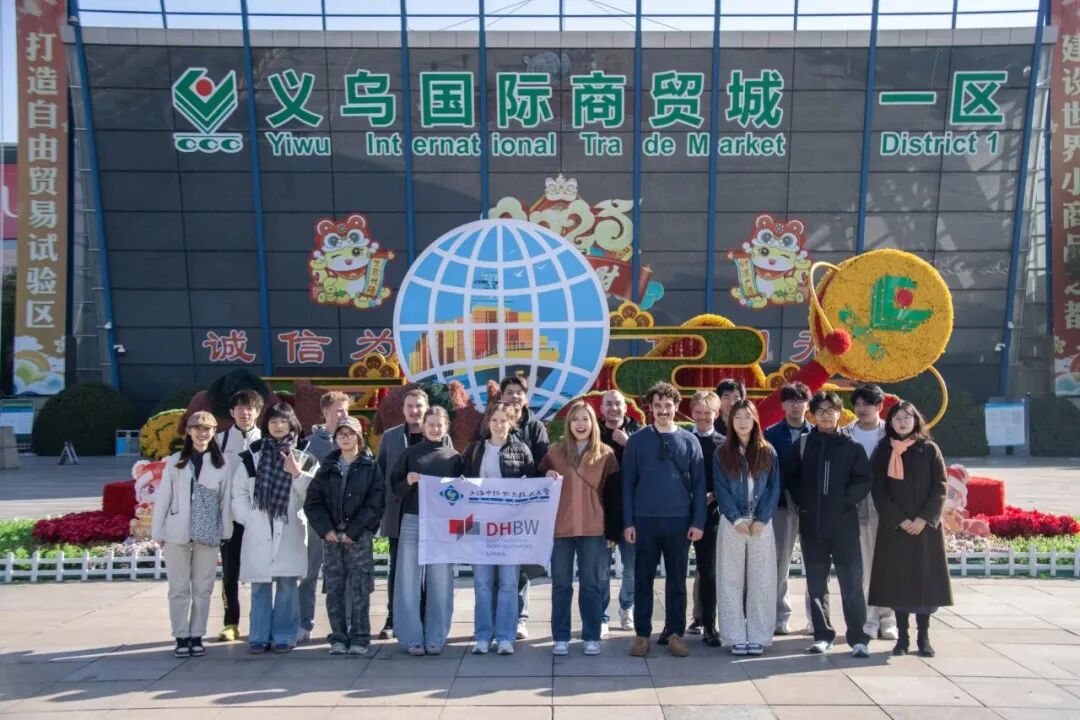
As global interaction continues to intensify, cross-cultural understanding has become a core component of students’ comprehensive competencies. In response, international exchange in higher education is evolving beyond symbolic visits toward immersive learning experiences that foster genuine dialogue and mutual understanding through shared participation in authentic academic, social, and professional settings.
Guided by this philosophy, the program integrated academic coursework, enterprise visits, social research, and cultural experiences to create a realistic environment for in-depth interaction between Chinese and German students. Through sustained engagement with Chinese society and development practices, participants observed cultural differences, reflected on diverse perspectives, and steadily enhanced their cross-cultural communication and empathy skills.
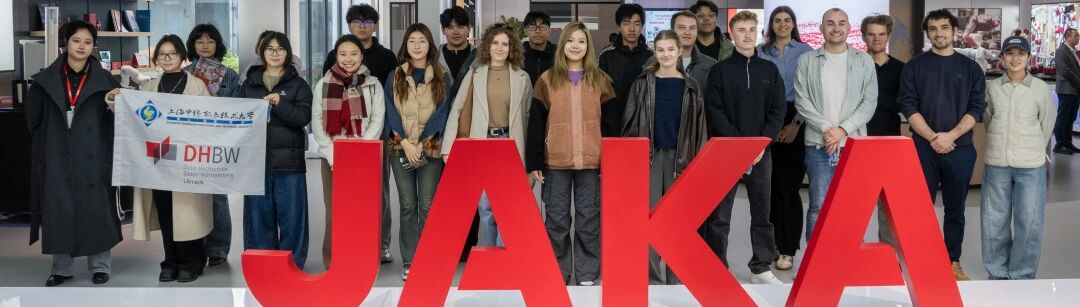
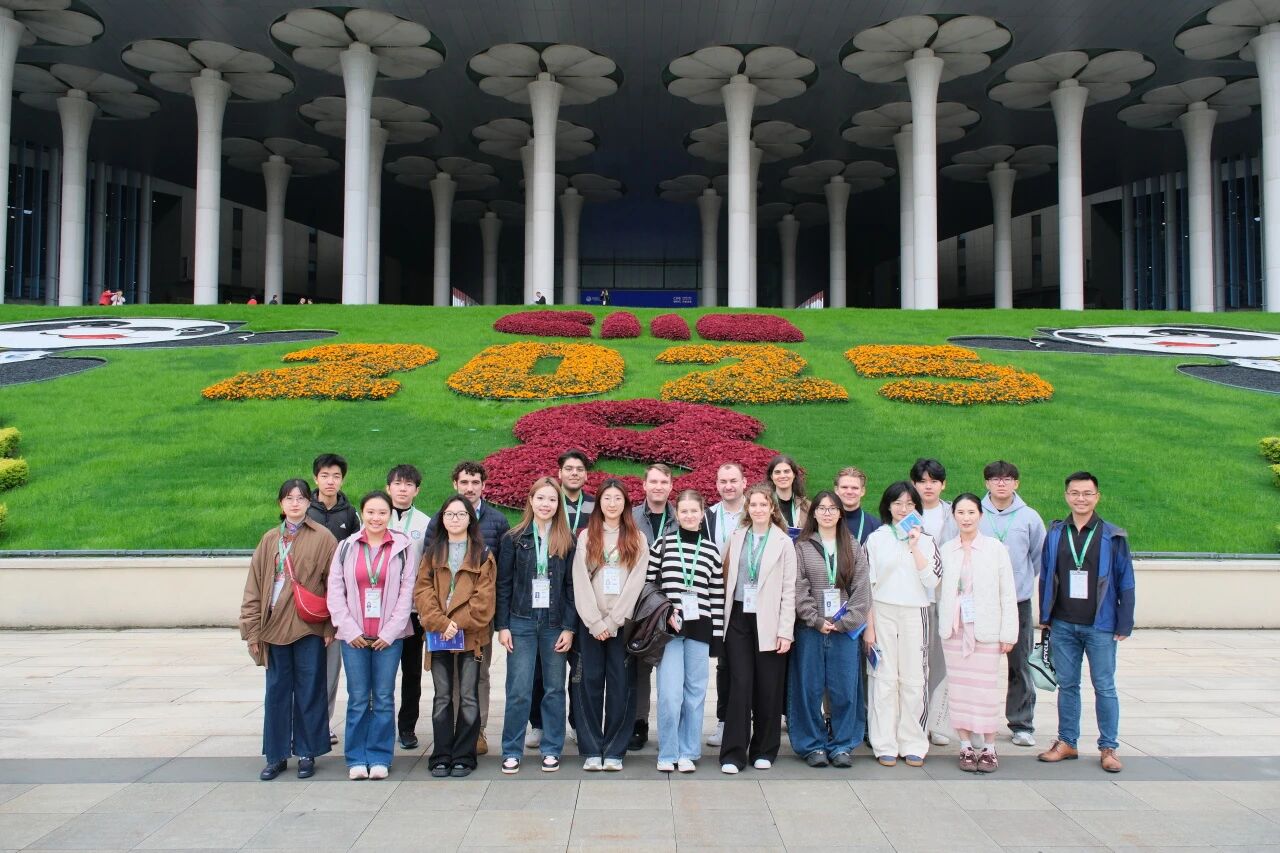
During the social and cultural immersion module, faculty and students visited Zhonghua Village in Langxia Town, Jinshan District, Shanghai, where they engaged in hands-on rural field studies. Through on-site observation and dialogue, students gained first-hand insights into China’s rural revitalization initiatives and the integration of traditional culture with modern development. In the industry practice module, participants visited JAKA Robotics, where they observed collaborative robots in real production scenarios. Under engineers’ guidance, Chinese and German students jointly completed robot programming and operation tasks, engaging in practical, technology-driven collaboration.The regional study tour to Taicang, Jiangsu Province included visits to German enterprise clusters and cultural sites, enabling students to better understand how German companies operate and adapt within the Chinese business environment. Additional program components included a German Culture Week, visits to the China International Import Expo, Lenovo Future Center, and the DHL North Asia Hub, further broadening students’ global perspectives through diversified learning contexts.
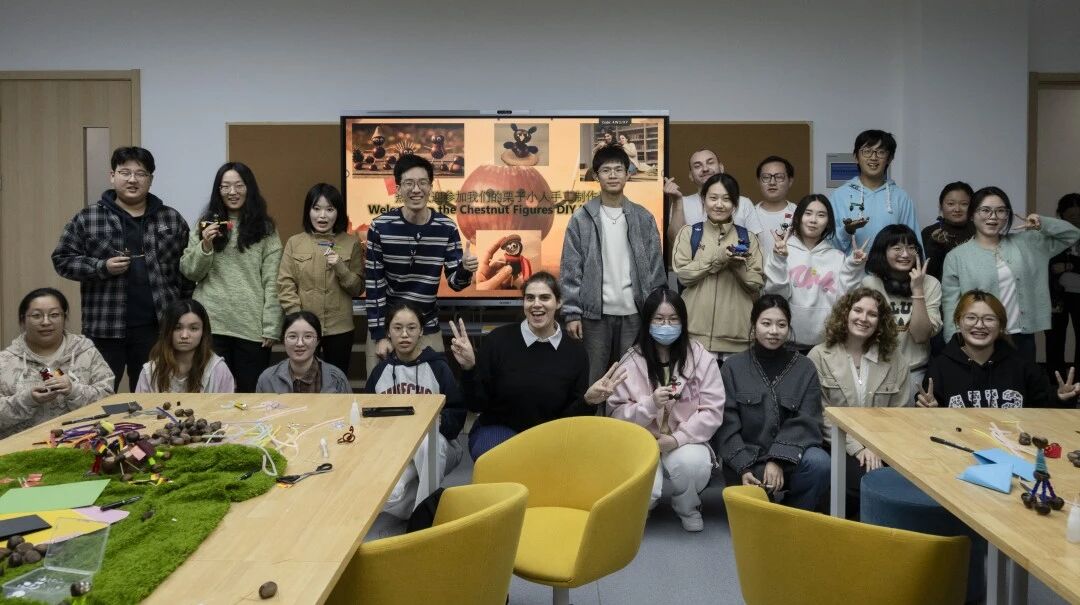
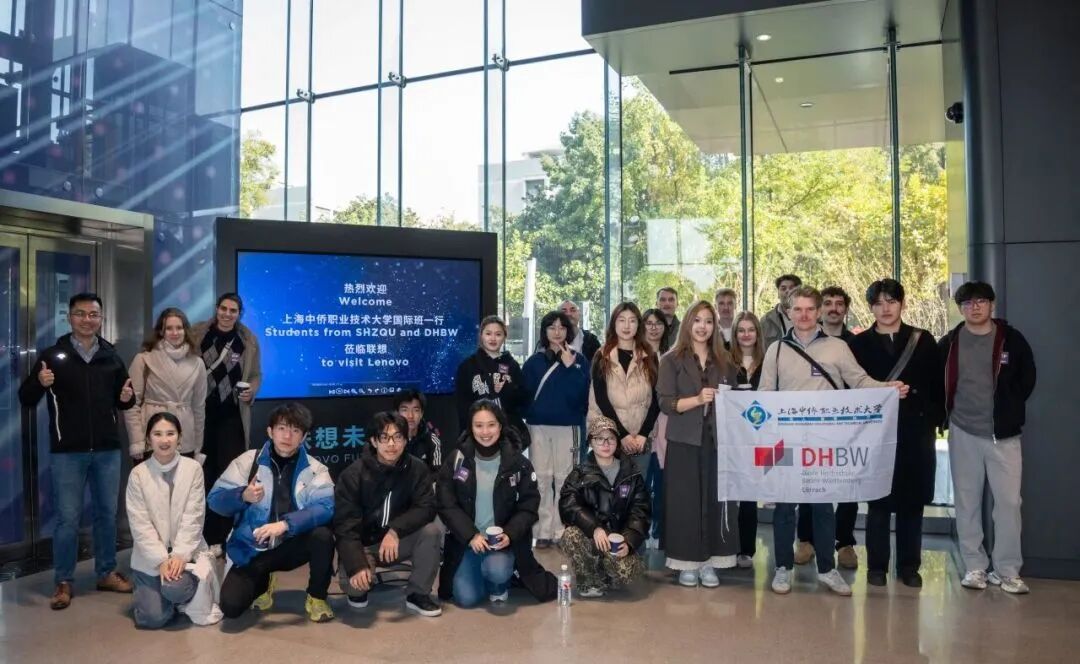
From classrooms and rural communities to enterprises and urban centers, the three-month program fostered meaningful intercultural exchange grounded in real-life practice. By linking academic learning with social and industrial engagement, the DHBW Sino-German International Program not only deepened mutual understanding of China’s culture and development path but also offered a replicable model for immersive international education.
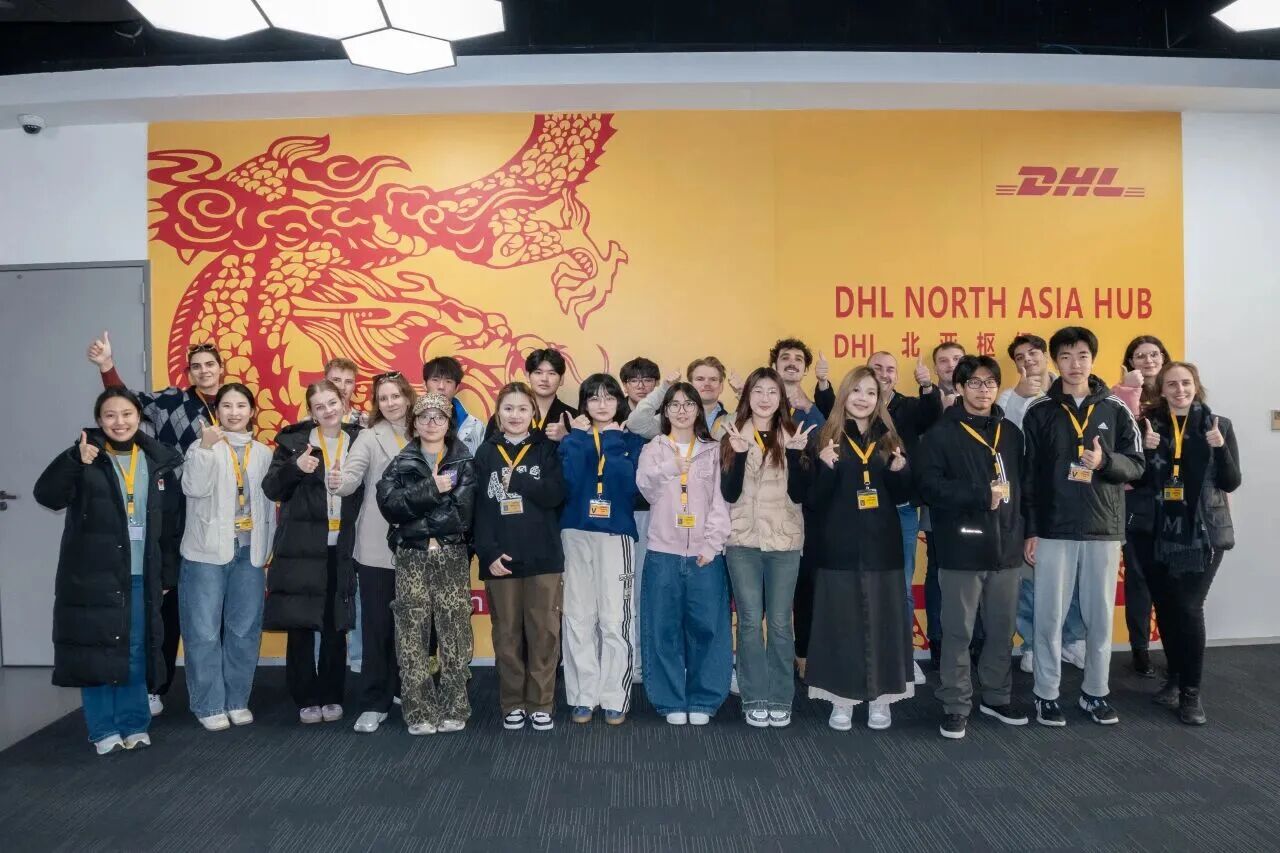
Through learning and growing side by side, Chinese and German students explored a cross-cultural exchange model characterized by both depth and warmth, providing valuable experience for SHZQU in advancing international education and locally grounded global learning initiatives.