
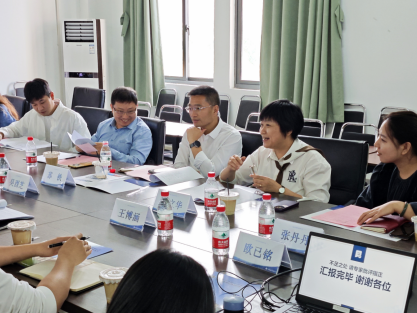
On the afternoon of June 5, 2025, Ou Yiming, the director of the Food Intelligent Processing Technology major at Shanghai Zhongqiao Vocational and Technical University, presided over a course reform practice based on a skills competition - taking the Baking Food Technology course as an example - the mid-term promotion meeting of the Minjiang Plan project for private universities in Shanghai was successfully held at the School of Food and Pharmacy at Shanghai Zhongqiao Vocational and Technical University.
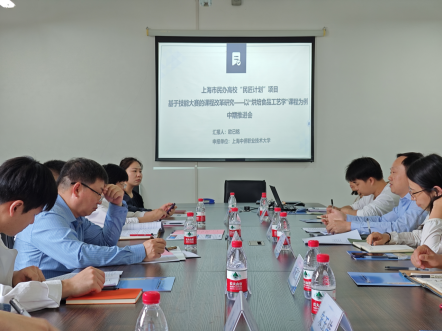
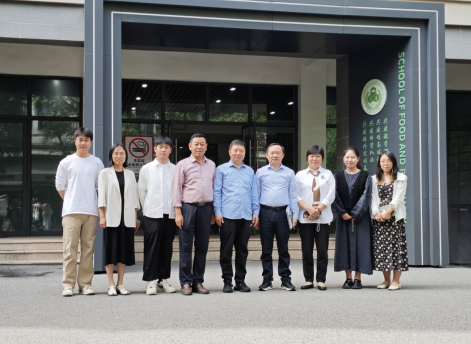
Su Tie, Director of the Private Affairs Department of the Shanghai Municipal Education Commission, Gan Wenhua, President of the Shanghai Modern Food Vocational Skills Training Center and National Light Industry Nation Craftsman, Su Shiyan, Director of the Innovation and Research Center of Shanghai Miaoke Landuo Technology Co., Ltd., Zhang Dandan, Director of the Tourism Hotel Exhibition Teaching and Research Office of Shanghai Lida College, Lan Tian, Baking Coach of the Shanghai Trade School World Competition, Wu Youzhi, Vice President of Shanghai Zhongqiao Vocational and Technical University and Dean of the School of Food and Pharmacy, Wang Yuan, Vice Dean of the School of Food and Pharmacy, and other industry experts, school enterprise representatives, and school leaders gathered together to conduct in-depth discussions on the transformation of competition results, deepening of curriculum reform, and the cultivation of high-quality technical and skilled talents.
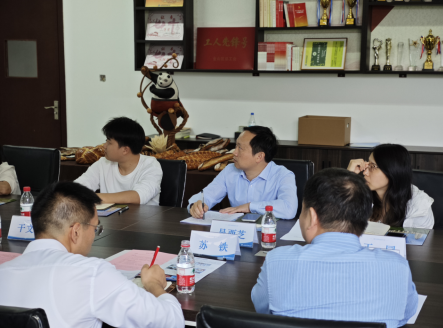
Ⅰ、The dual wheel drive of curriculum restructuring and teaching innovation has achieved significant results in the transformation of achievements
At the meeting, project leader Ou Jiming reported on the phased achievements of curriculum reform:
1. Upgrading the curriculum system
Comprehensively revise the curriculum standards of Baking Food Technology, deeply integrate the standards, processes, and scoring rules of the vocational skills competition baking event into the teaching content, and construct a modular curriculum structure of competition education integration.
2. Breakthrough in practical teaching
Create a three-level training project library of foundation comprehensive innovation, develop three competition real test cases, covering the entire process of raw material ratio, process optimization, and finished product presentation, and achieve the goal of promoting practice through competition.
3. Innovation in teaching mode
We have implemented a three in one training path of classroom club technician studio, and the student team won second place in the baking project of the 2nd Shanghai Vocational Skills Competition and fourth place in the Shanghai selection of the 3rd National Vocational Skills Competition, significantly improving their practical abilities.
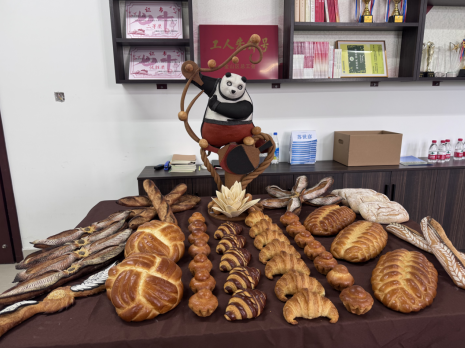
In addition, the project team has jointly established a dual teacher teaching team with Shanghai Modern Food Vocational Skills Training Center and Shanghai Trade School. Enterprise mentors are deeply involved in the development of modular courses, introducing cutting-edge industry technologies into the classroom and promoting the integration of on-the-job courses, competitions, and certifications.
Ⅱ、Strengthening the foundation of training bases and resource construction, empowering teaching and research competitions
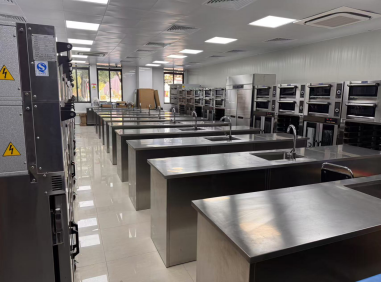
In order to support curriculum reform and skill training, the project team benchmarked the standards of vocational skill appraisal institutions for Western pastry chefs, invested 910000 yuan to upgrade the laboratory, added 22 professional equipment such as ovens, frozen refrigerators, and pastry makers, and built a multifunctional training platform that integrates teaching, research, and competition, meeting the teaching needs of integration of theory and practice and providing a training environment close to industry practice for teachers and students.
Ⅲ、Leading experts provide suggestions and guidance, pointing out new directions for the integration of industry and education
The attending leaders and industry experts highly affirmed the phased achievements of the project and put forward suggestions from the dimensions of cross disciplinary cooperation, talent cultivation, and technology transformation:
Su Tie emphasized that private universities should leverage the flexibility advantages of their institutional mechanisms, deepen interdisciplinary and cross disciplinary cooperation, strengthen the linkage between schools and enterprises, schools and communities, promote discipline and curriculum settings to closely meet industry needs, and strengthen applied research and achievement transformation.
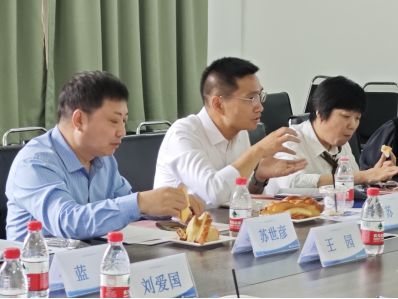
Gan Wenhua pointed out that the inheritance of the craftsman spirit needs to rely on leadership support and team collaboration. He suggested further deepening cooperation with industry associations and enterprises, transforming competition experience into talent cultivation momentum, and cultivating more compound talents who combine skills and craftsmanship.
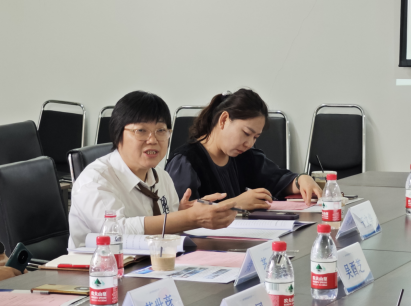
Based on industry development trends, Su Shiyan suggests strengthening the teaching of food nutrition, taste optimization, and rational use of additives in curriculum reform, promoting the transformation of scientific research achievements into industrial production, and enhancing students' vocational competitiveness.
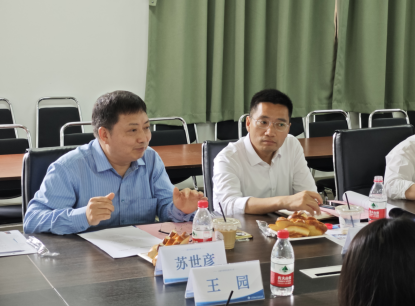
Ⅳ、School statement: Deepen the integration of industry and education, and create a distinctive brand of vocational education
Wu Youzhi, Vice President and Dean of the School of Food and Pharmacy at Shanghai Zhongqiao Vocational and Technical University, stated that the university will take the Minjiang Plan project as an opportunity to continue promoting the integration of competition and education reform, integrating school enterprise resources, optimizing talent training models, and striving to build the Baking Food Technology course into a benchmark course that combines innovation and practicality, providing more high-quality technical and skilled talents for the food industry and supporting the high-quality development of vocational education in Shanghai.
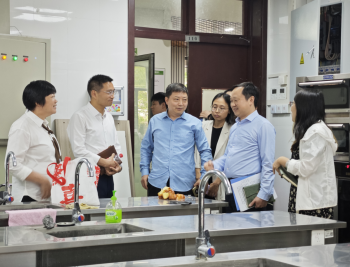
This mid-term promotion meeting has clarified the ideas and direction for the subsequent implementation of the project. In the future, the project team will focus on expert suggestions, further deepen the transformation of competition results, improve the curriculum system and practical training resources, explore the path of competition leadership, school enterprise collaboration, and practical education, and provide replicable and promotable typical examples for vocational education reform.
Writing: Yiming Ou
Reviewing: Jianlan Chen
Photography: Feiqi Wang
Publishing: Haiyan Gu